← Memos & History Bits Collection
20 documents · 1978–2003

Media and Newspaper Industry Bits of History and Interesting Stuff

This is a collection of various studies and other documents collected and saved during Howard Finberg‘s 40+ years in the newspaper and media industry. There are some common themes — how people use media and how the media industry needs to change. In addition, there are just some interesting bits and pieces. So much of the newspaper industry’s history is lost because there hasn’t been any focus on learning from our past. Rather, we look forward and ignore lessons learned by those who came earlier.

That is not to say that we shouldn’t change. Quite the opposite. The newspaper industry never changed fast enough; it never changed deeply; it never really liked change. As I write this in 2022, in a metro area without a daily printed newspaper, I look back to see so many opportunities missed, so many possible futures ignored.

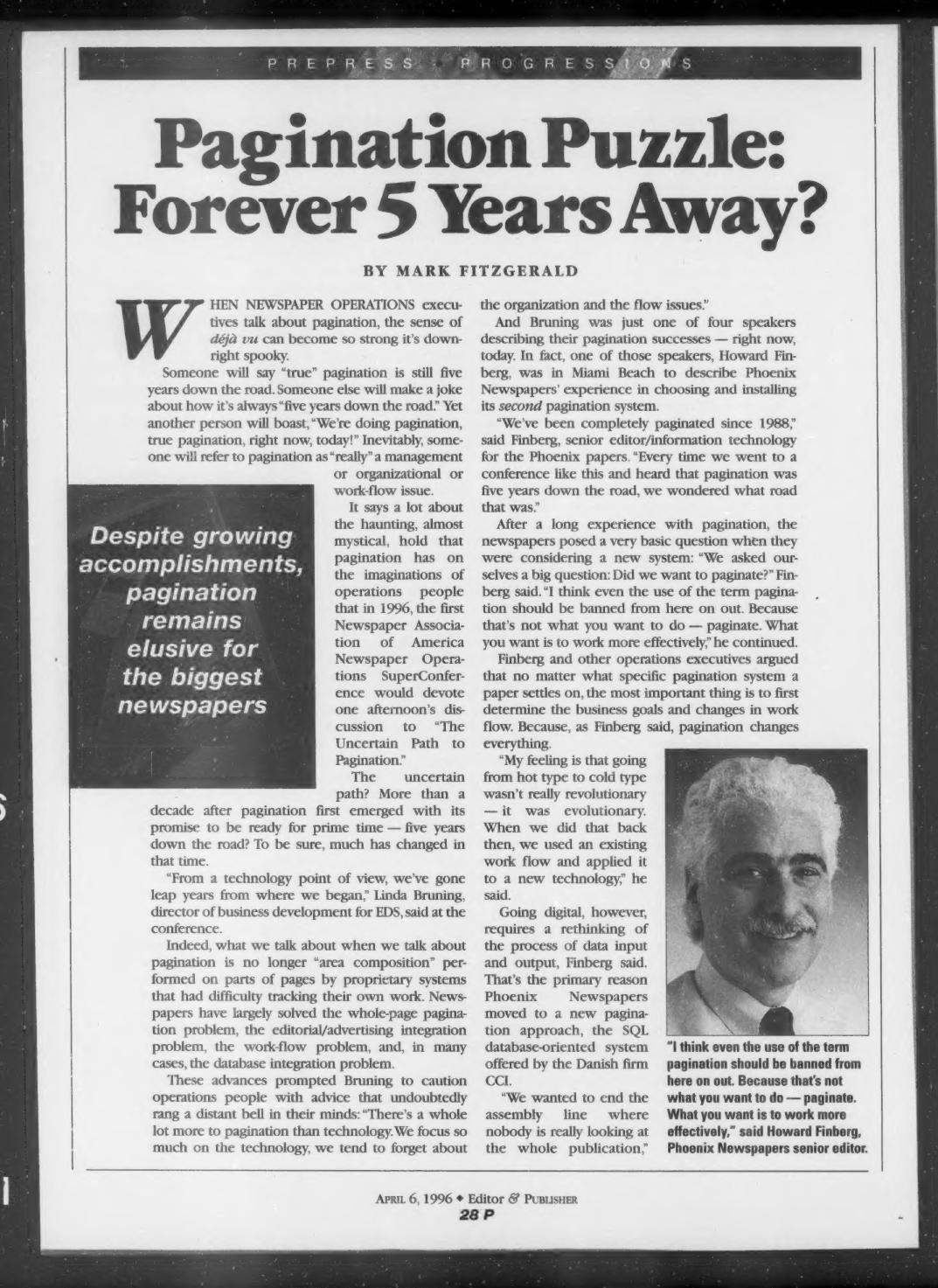
On a slightly happier note, this section will also capture some of the whimsy of the bit and pieces used to create a newspaper, first in hot metal, then cold type and finally digital output. Items such as the editorial schedule for the Chicago Tribune.
1970s Newsrooms go visual
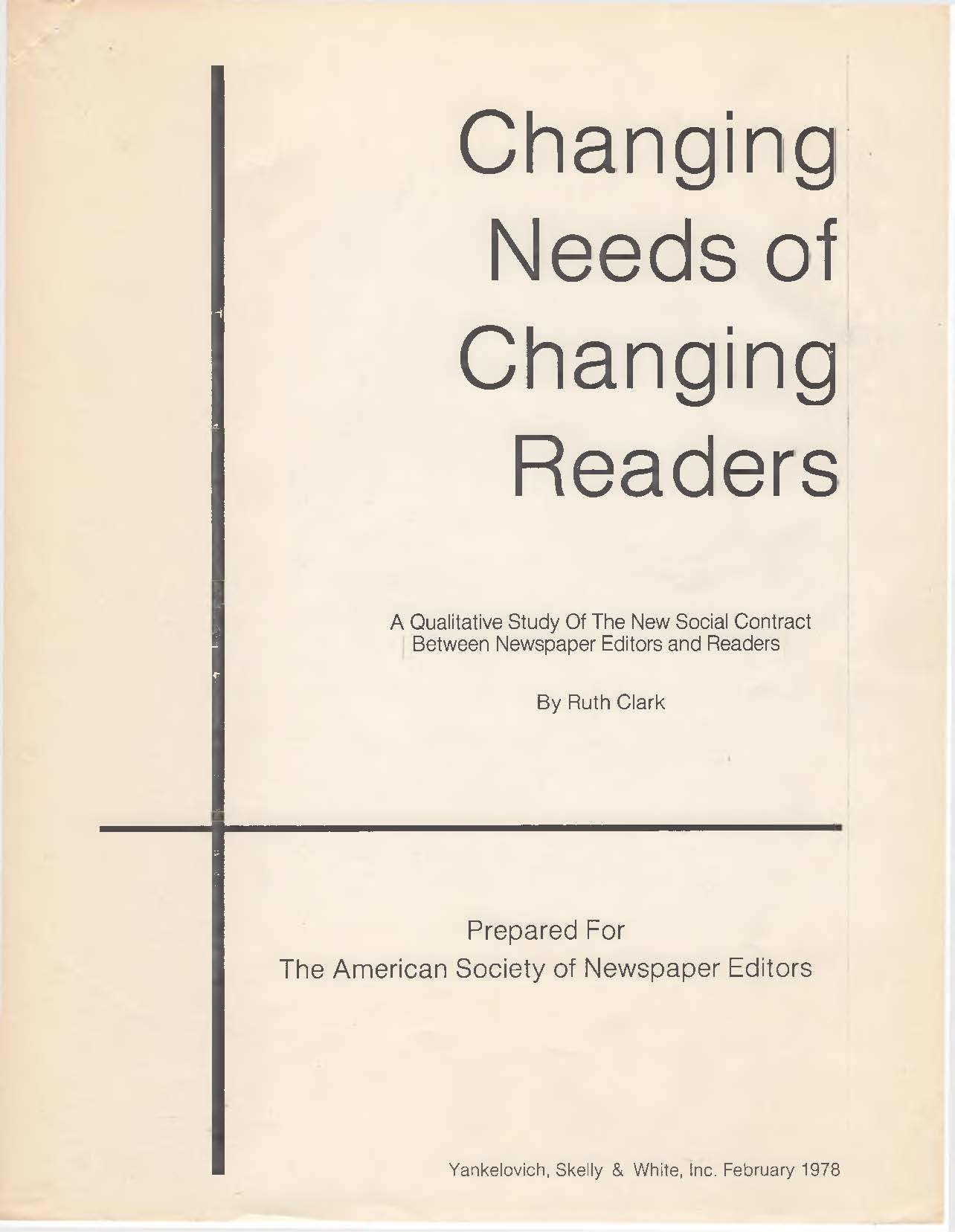
History, 1978 Social Contract with Readers, 1978

starting to worry editors everywhere: why were readers pulling away from their newspapers? Clark, working with Yankelovich, Skelly and White, ran focus groups with more than 120 regular readers, occasional readers, and non-readers across 12 U.S. and Canadian markets —

Read more →
1980s Changing newsrooms
History, 1980 Design Magazine, Issue 1

The Society for Newspaper Design’s magazine, Design, was published in March, 1980.  The first issue included a story about my job as Chicago Tribune’s graphics editor.

Read more →
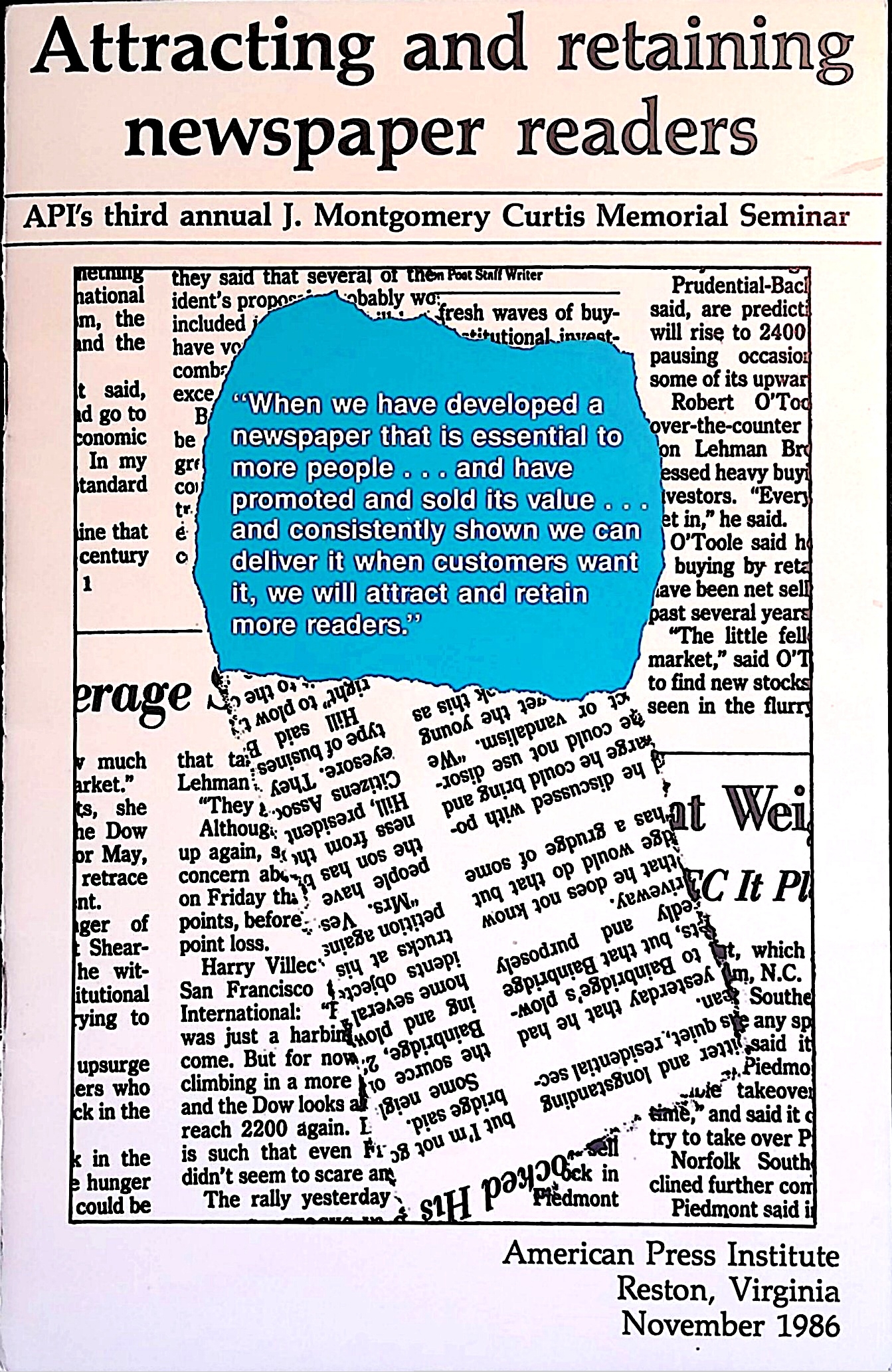
History, 1986 Attracting and Retaining Readers, 1986

For as long as I was in the newspaper industry, I’ve heard the refrain “we need to attract new and retain our current readers.” Mostly, in the “olden days” that meant a new promotion or some kind of circulation push

Read more →
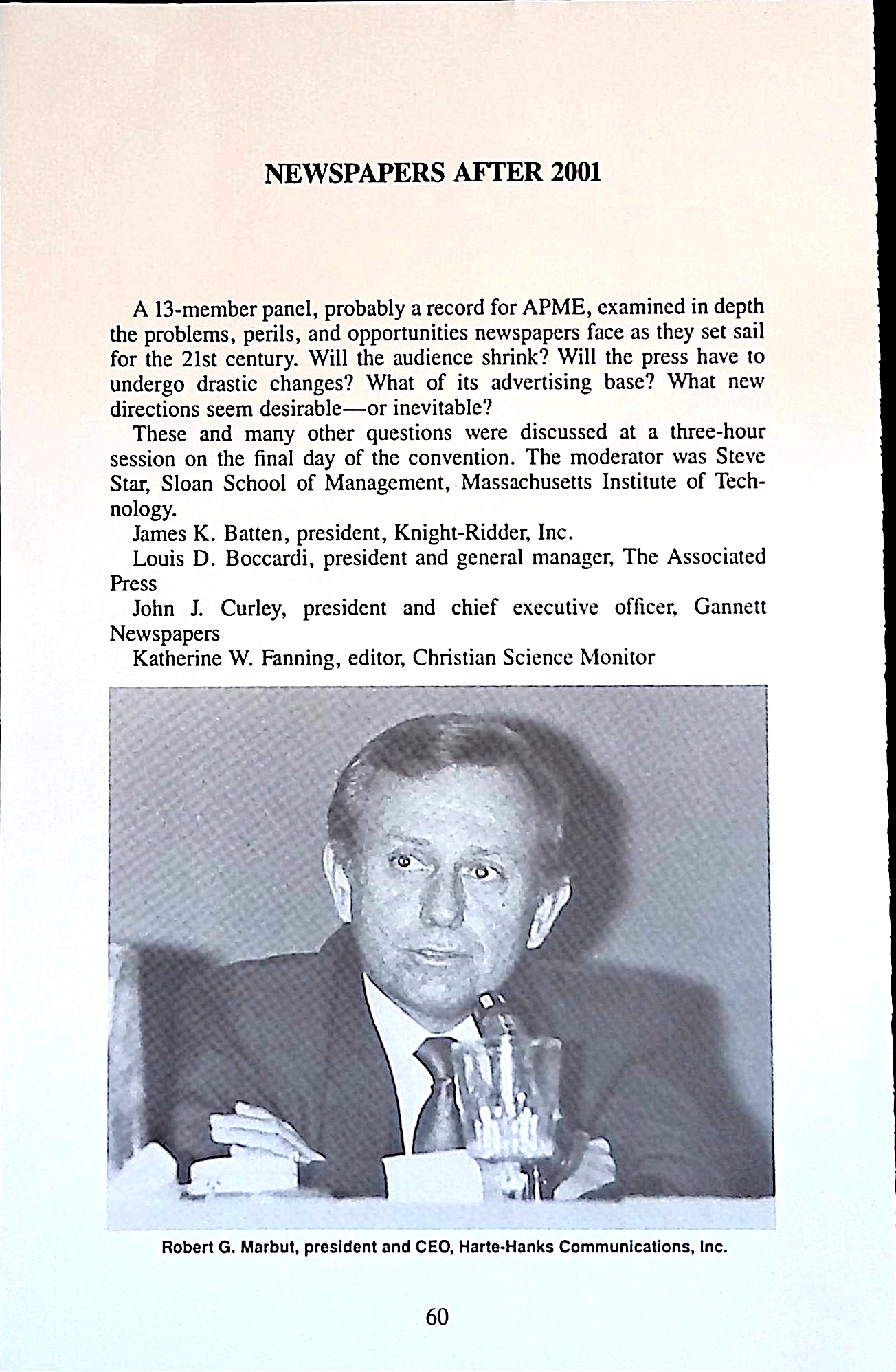
History, 1986 Looking to the Future: 1986 to 2001

In the past, journalism conventions serving management and editors, such as the Associated Press Managing Editors conference, were major events.  Hundreds of participants, dozens of panels and speeches.  So important that the APME published what the called the “Red Book.” 

Read more →
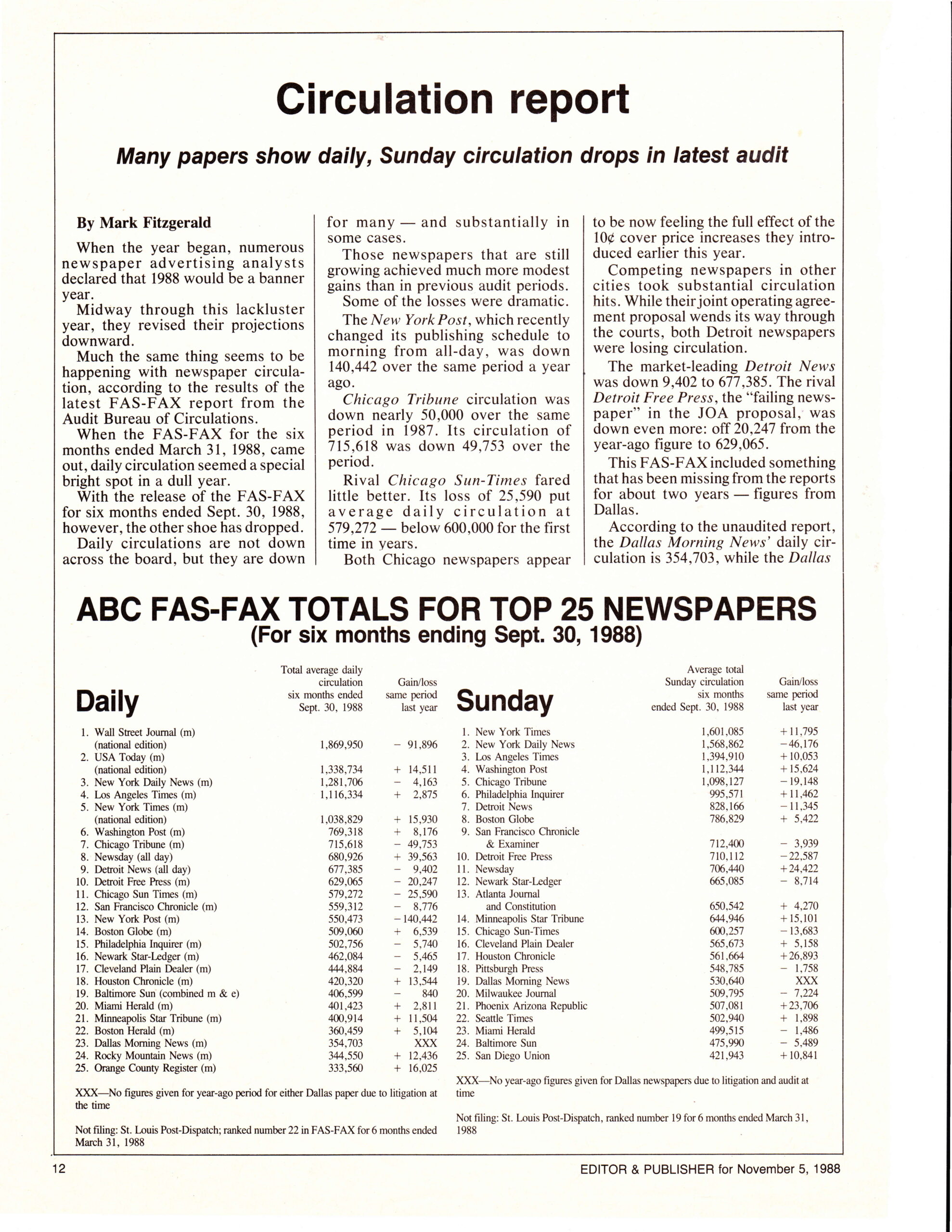
History, 1988 Newspaper Circulation Report, 1988

It is striking how far circulation numbers have fallen.  I found a page from Editor & Publisher from 1988 that reported on the top 25 newspapers in the U.S. in terms of circulation. The decline is striking. Here’s the start

Read more →
1990s The internet changes everything
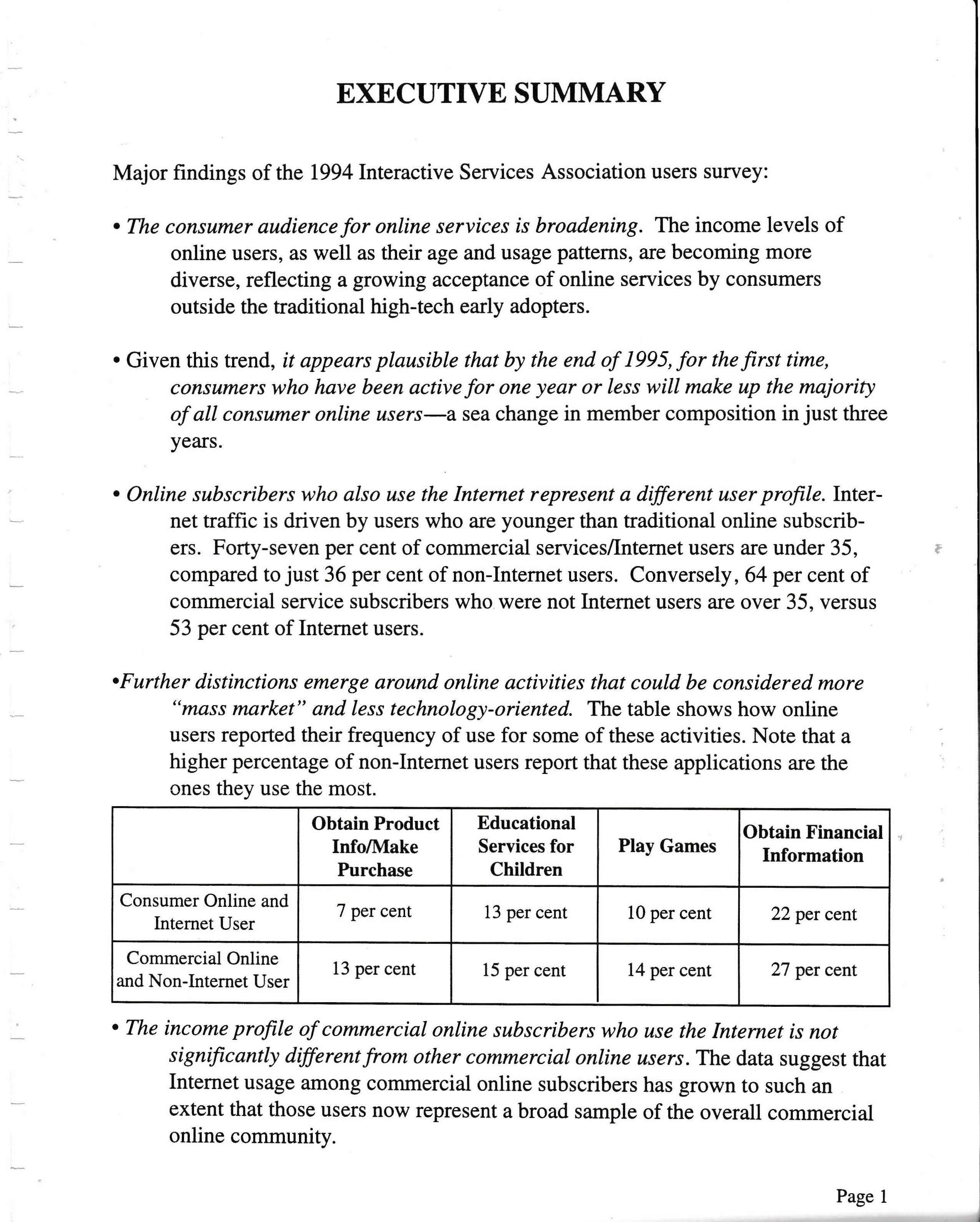
History, 1993 Online Consumer Survey, 1992-1993

The Interactive Services Association, a trade organization for companies that marketed online services [think AOL or CompuServe] to consumers, issued several reports about consumer behavior online.  The 1993 report was done just before the wide-spread use of the World Wide

Read more →
History, 1995 Newsroom Stress, 1995

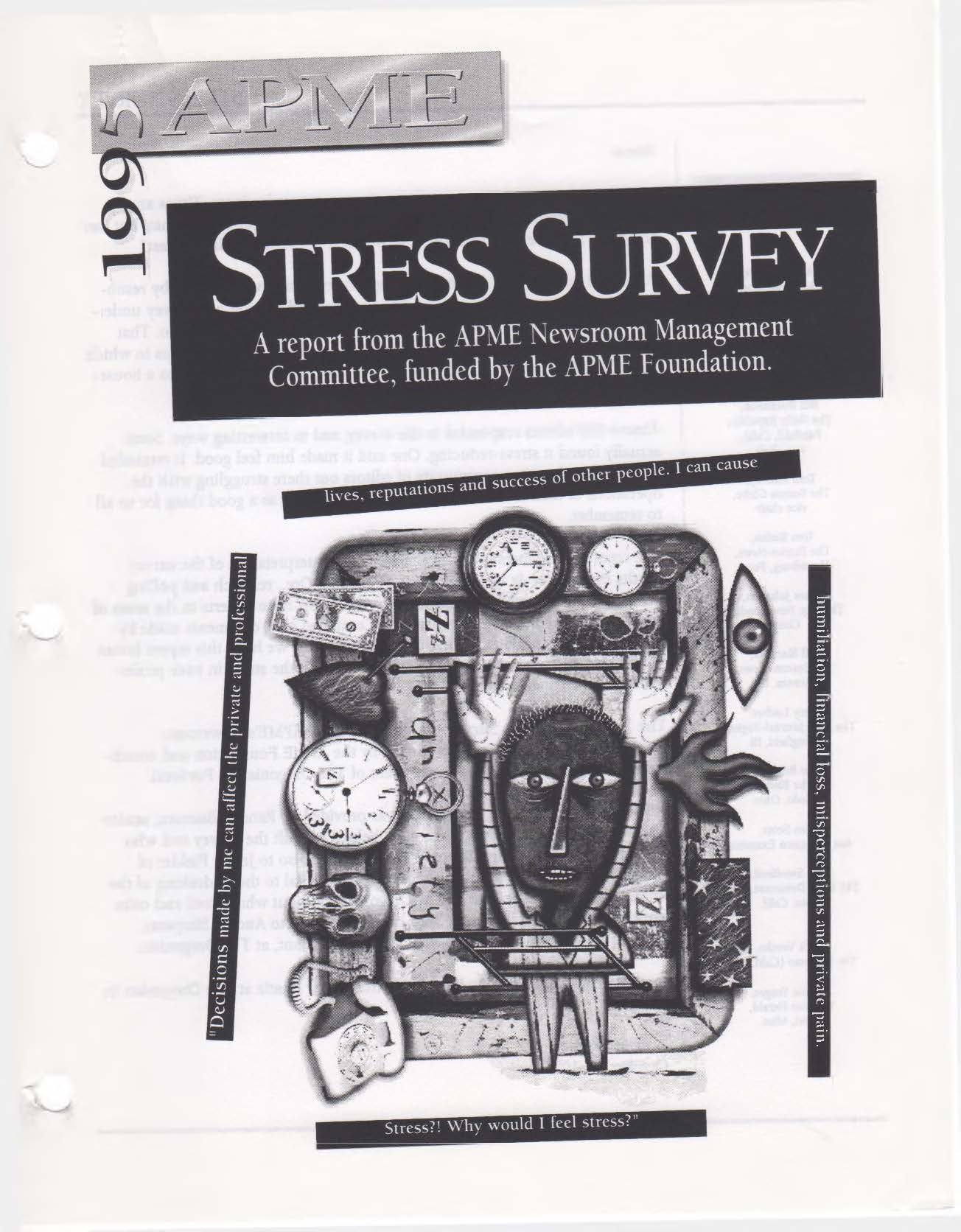
Stress in the Newsroom: A Snapshot from 1995 In July 1995, the Associated Press Managing Editors (APME) conducted a survey to assess the levels of stress experienced by editors in American newsrooms. This was a follow-up to their 1983 study.

Read more →
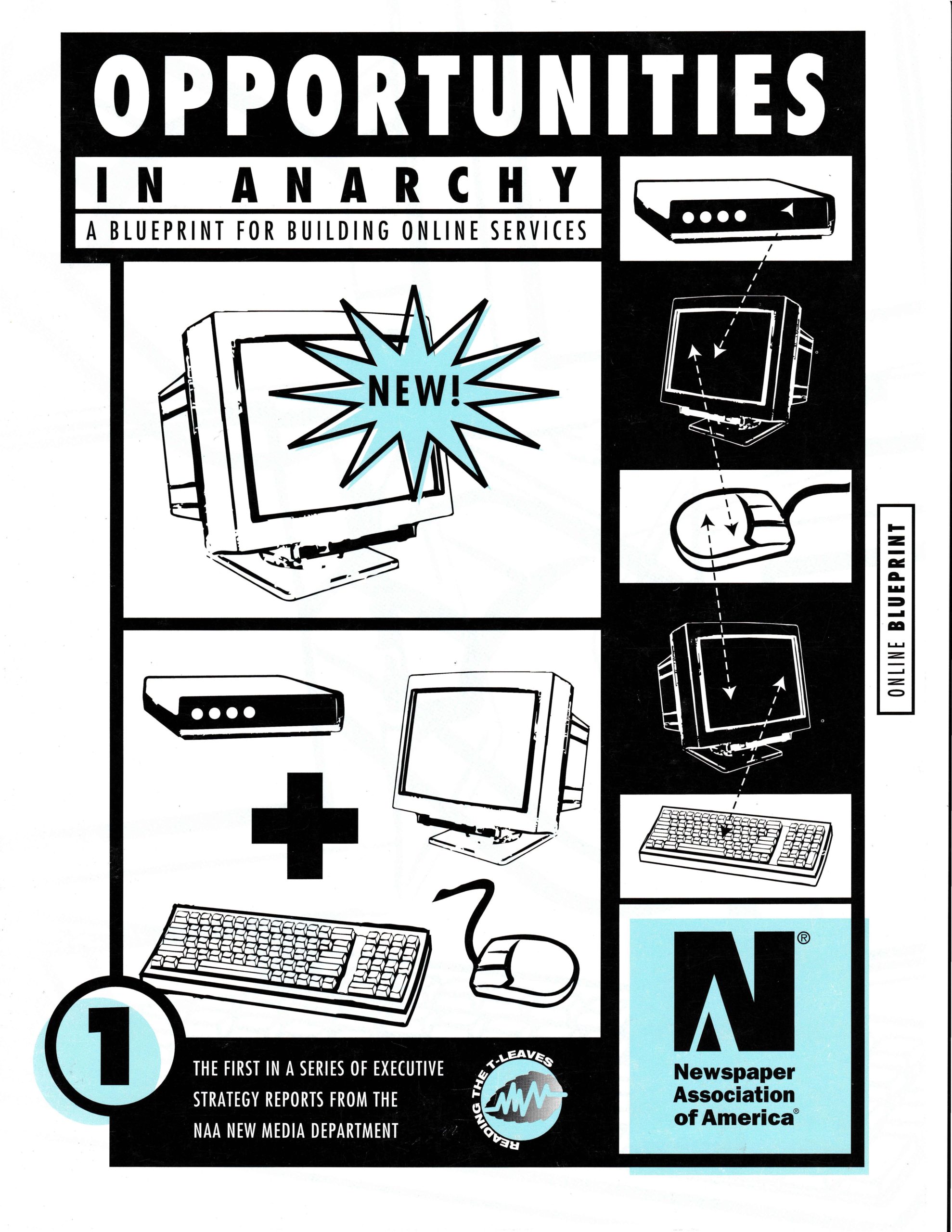
Memo, 1995 A Blueprint for Building Online Services, 1995

Where to start? That was the question many newspaper publishers were asking in 1995. At least when it came to creating a digital / electronic version of the print newspaper.   The Newspaper Association of America’s [NAA] New Media Department

Read more →
Event, 1995 Survey of the Online Consumer, 1994

In the spring of 1994 the Interactive Services Association conducted its third annual survey of online users. The report was released in spring 1995. The survey goal was to better understand how online [and early Internet / Web] users went

Read more →
History, 1996 Looking at the Local Marketplace Providers, 1996

The PAFET group [see item about its founding] commissioned the technology consulting group, the Yankee Group, to look at competitors in local markets. In other words, look at who could compete against newspapers for viewers and advertisers. Here’s a touch

Read more →
2000s Journalism moves online
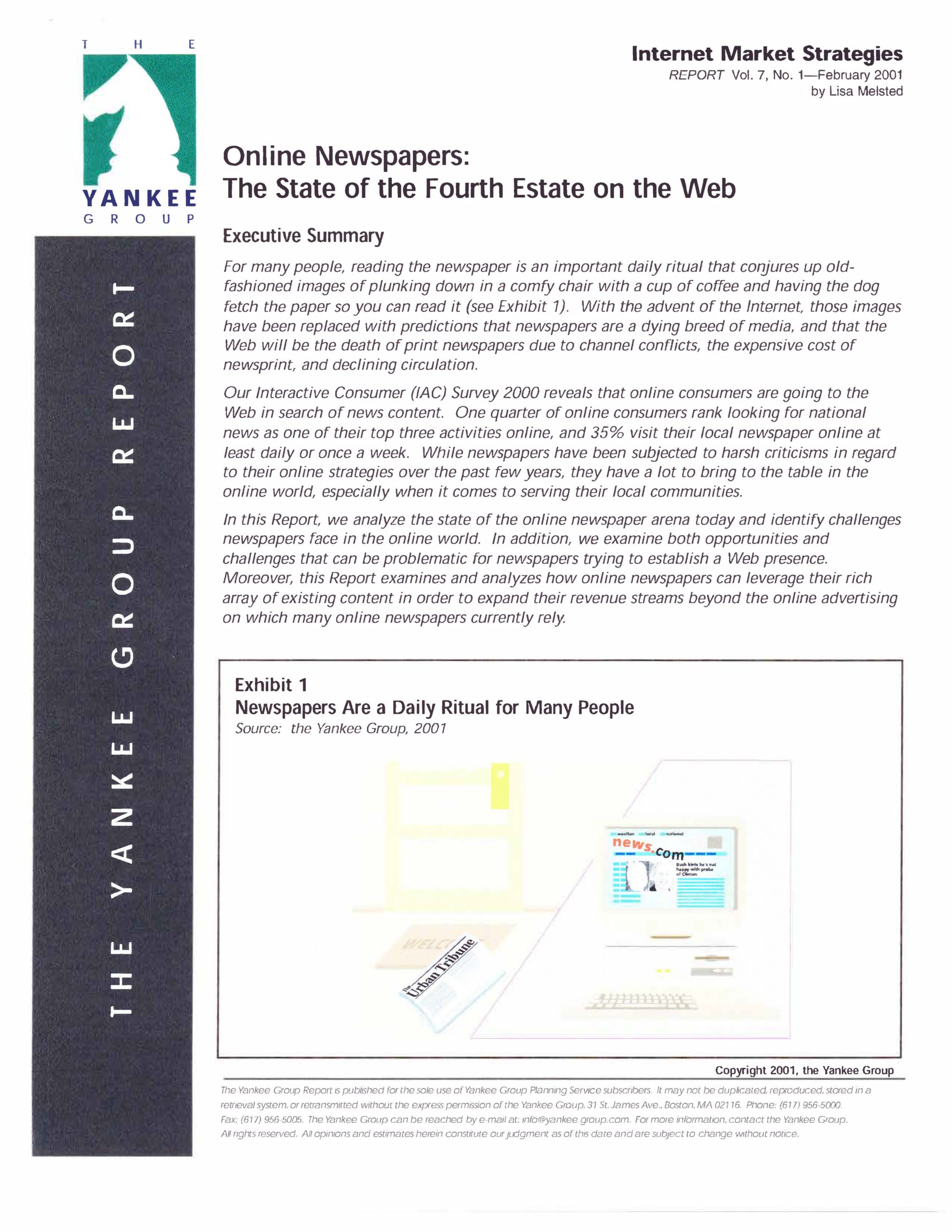
History, 2001 State of Newspapers on the Web, 2001

A 2001 report by the research company The Yankee Group has some very interesting observations about the future of the print media in the online world.  From the summary: Our Interactive Consumer (IAC) Survey 2000 reveals that online consumers are

Read more →
History, 2003 Demographic Wake-Up Call for Newspapers, 2003

In a 2003 commentary published in the Newspaper Association of Amereica‘s Presstime magazine, demographics expert Peter Francese offers a sobering but forward-thinking look at the structural challenges facing newspapers. Delivered at the NAA Future of Newspapers Conference, the piece outlines

Read more →
Undated
History The 2000 Outlook for Newspapers

As the new millennium approached, the Newspaper Association of America (NAA) published a broad industry forecast in Presstime magazine, capturing the hopes, hesitations, and strategic questions facing U.S. newspapers in the year 2000. The article synthesizes insights from executives, editors,

Read more →
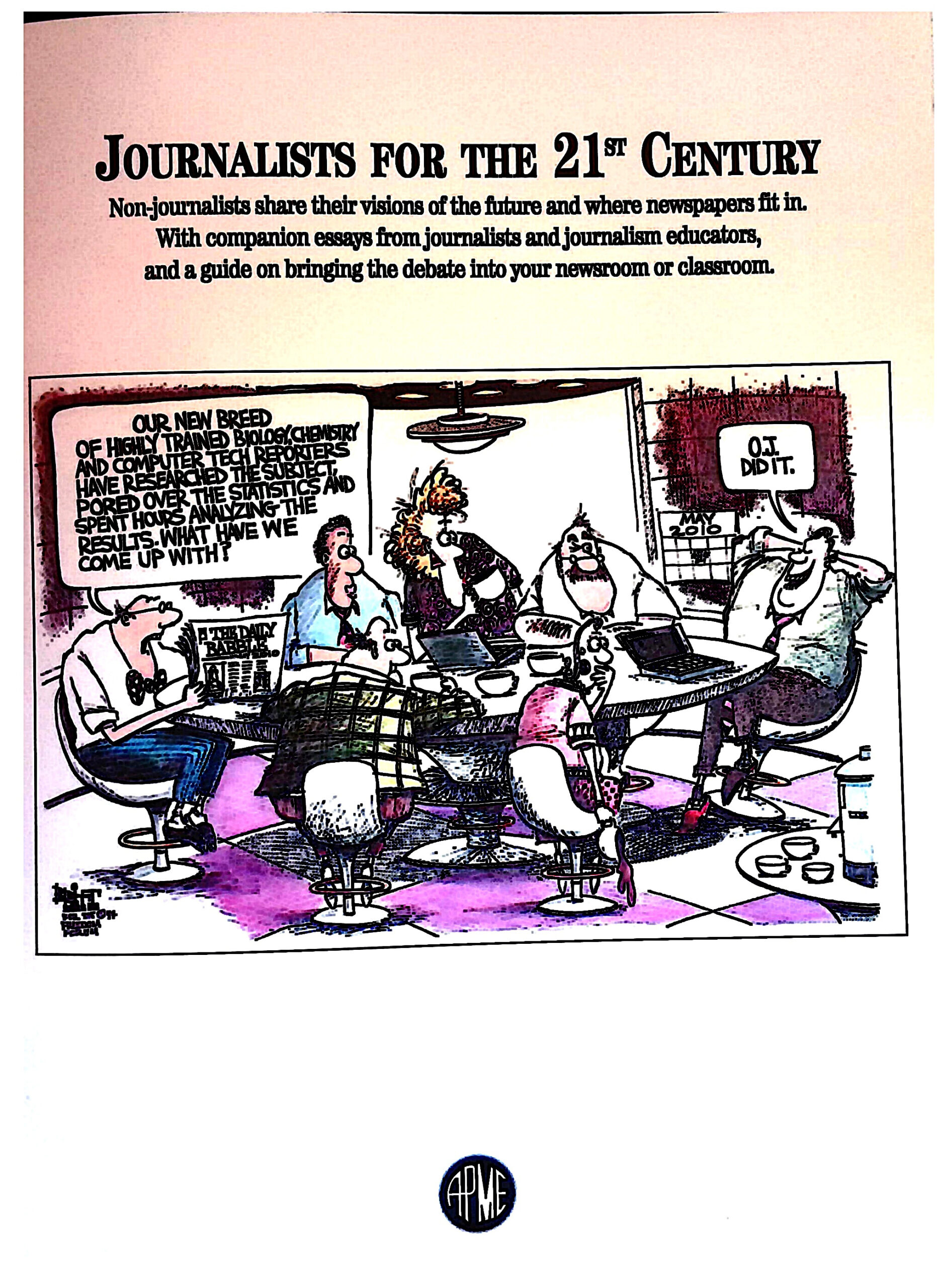
History 21st Century Journalist, a 1994 Blueprint

In 1994, the Associated Press Managing Editors (APME) and The Freedom Forum released a wide-ranging, thoughtful report titled “The 21st Century Journalist.” This was not a position paper or a brief memo—it was a substantial, internally distributed document designed to

Read more →
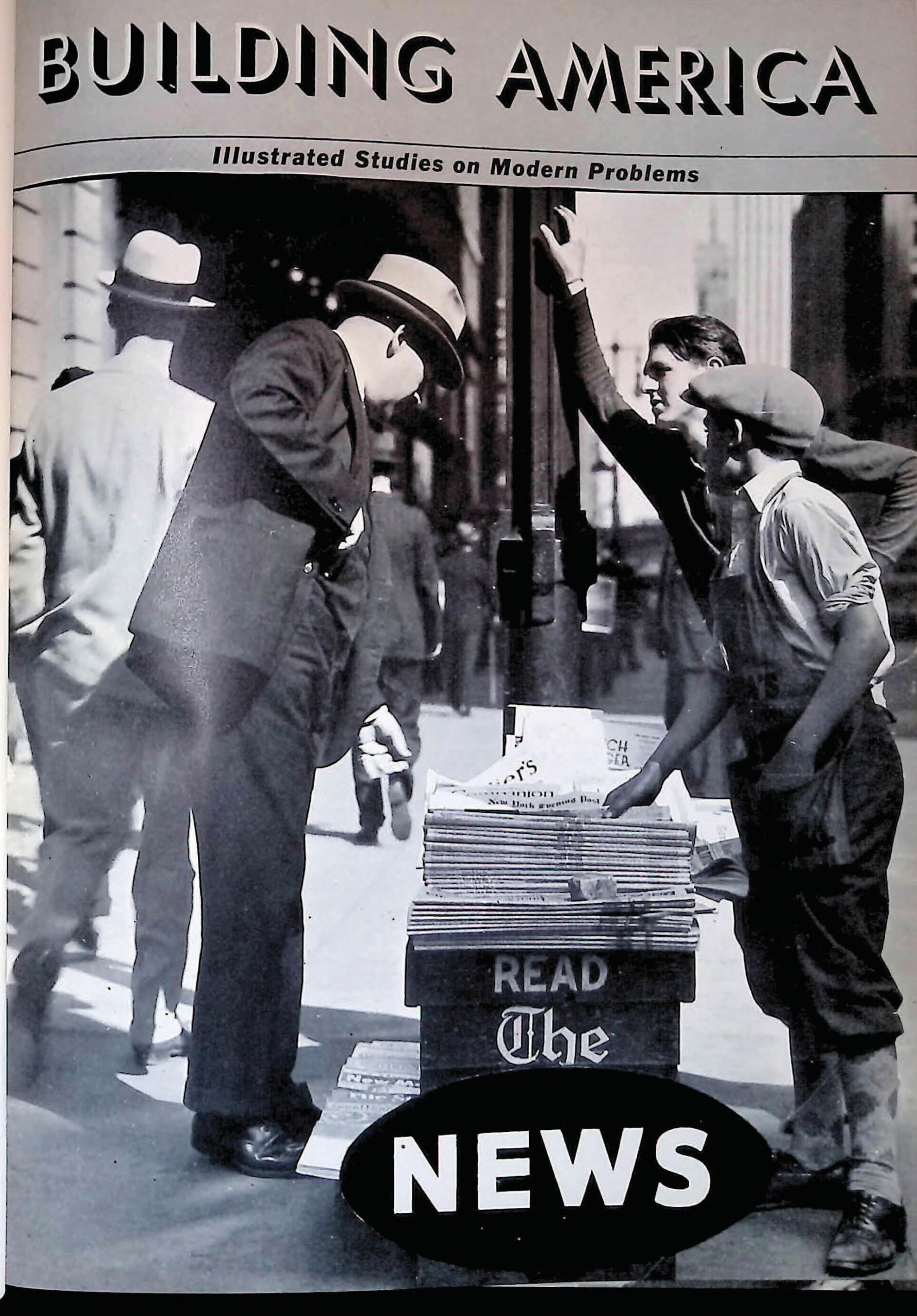
History A View of News from the 1940s

In cleaning our storage unit, I came across a series of books titled “Building America” that belong to Kate Finberg’s family in Michigan. They were published in the late 1930s and early 1940s by the National Education Association (NEA), through

Read more →
History Future of Journalists in 21st Century ( via 1994)

In 1994, the American Society of News Editors (ASNE) in partnership with the Freedom Forum  provided a report on journalism’s evolution into the 21st century. The document contains insights regarding the anticipated transformations within the industry, particularly in response to

Read more →
History Michael Bloomberg on Newspapers

Michael Bloomberg, president and founder of Bloomberg Financial Markets gave a keynote speech at the International Winter Consumer Electronics Show in Las Vegas in 1997.  His speech was about the future of electronic devices and he spent a lot of

Read more →
History The Future: Embracing Change

In 1999, the Society for News Design published a handbook for editors about dealing with pagination and technology. I was asked to write a chapter about “the future” and embracing the changes new technology would bring. Some of the things

Read more →
History Technology and Pagination

In 1999 the Society for News Design and the American Society of Newspaper Editors published a book about how managers could more successfully integrate new technologies into their newsrooms.  This project include a number of chapters from the leading technologists

Read more →
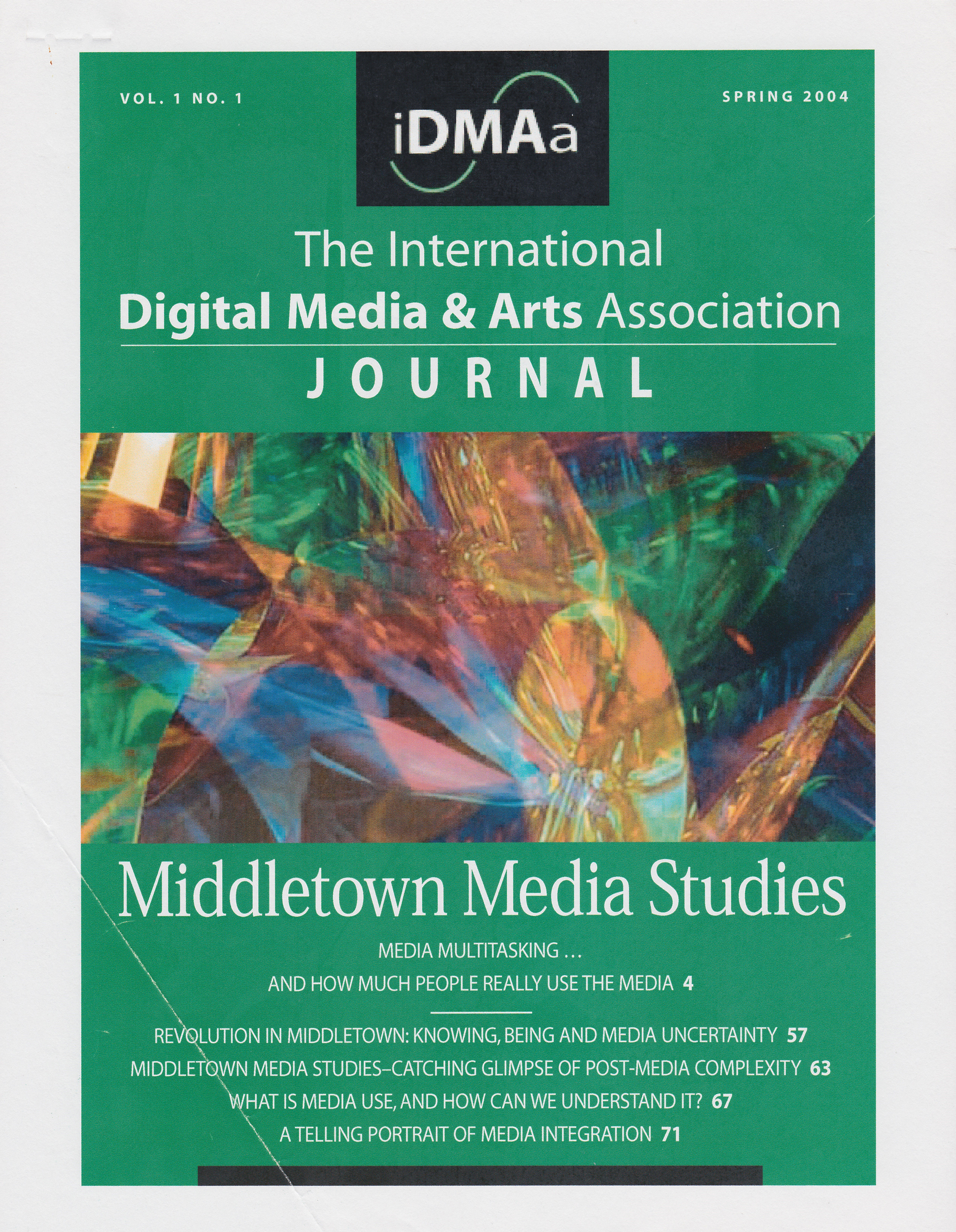
History How Consumers Spend Their Media Day

How consumers use media has always been an interesting topic. However, it never really got the attention of those at the top of newspaper organizations.  One of the better studies was this one: The Center for Media Design at Ball

Read more →